- High Protein Creamy Tuna Cucumber Salad – Easy, Fresh, and Healthy Recipe
High-Protein Farm-Fresh Egg Salad: Easy, Creamy, and Delicious Recipe
High-Protein Creamy Tuna Salad: Easy, Healthy, and Delicious Recipe
Creamy Mushroom and Spinach Lasagna – Rich, Cheesy, and Easy Vegetarian Dinner
Creamy Corn & Crunchy Coleslaw Salad – Easy, Fresh, and Delicious Side Dish
Hamburger Potato Casserole – Easy, Cheesy, and Comforting Family Dinner
Creamy Crab Seafood Salad – Easy, Fresh, and Delicious Recipe
Creamy Potato, Carrot & Pea Salad – Easy Classic Recipe
Creamy Cucumber Tomato Salad with Fresh Dill & Red Onion
Creamy Crispy Bacon Salad – Easy, Crunchy, and Delicious
Apple Salad with Honeycrisp Apples, Celery, Grapes, Pecans, and Dried Cranberries
Georgia Tomato Egg Cracker Salad – Creamy, Crunchy Southern Favorite

What is That Red Liquid in Grocery Store Red Meat Packages?
September 25, 2026 by Anna Keith Leave a Comment
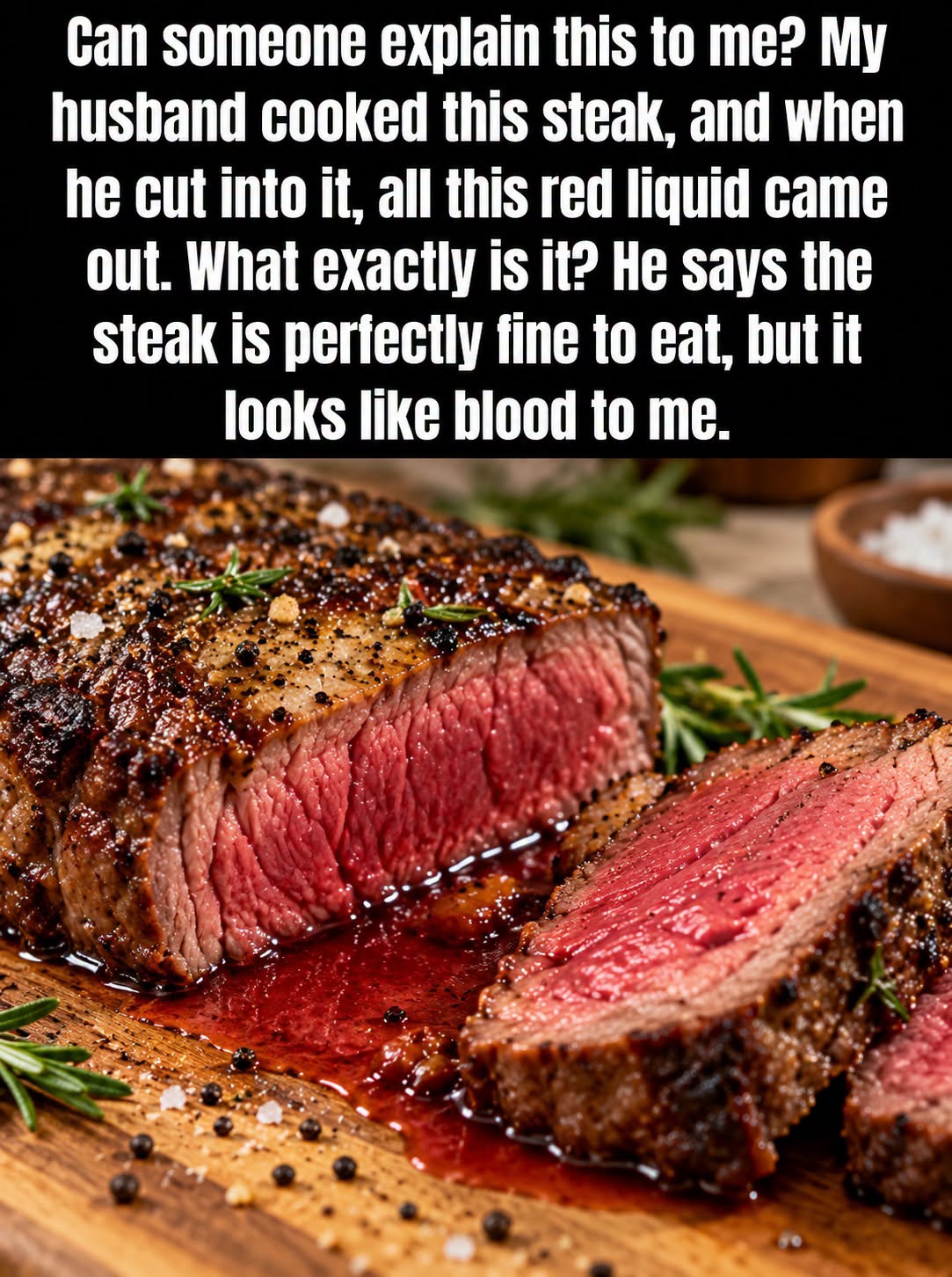
The liquid collecting underneath packaged red meat is often casually called “blood,” but that description is misleading.
Animals are drained of most of their blood during slaughter and processing. The muscle that becomes meat, however, naturally contains a substantial amount of water. USDA educational material notes that lean muscle contains roughly 75% water, although the exact amount varies with factors such as the cut and composition.
Some of this water can leave the muscle after processing.
As it moves out, the liquid carries dissolved muscle components with it. One particularly important component is myoglobin. Because myoglobin contributes strongly to meat’s red color, the resulting fluid can look remarkably similar to blood.
Food scientists often refer to liquid lost from meat as purge or drip loss, depending on the context.
Therefore, seeing a modest amount of reddish liquid underneath a steak does not automatically indicate a processing problem or unsafe meat.
Several factors can influence how much liquid appears. Storage time, temperature changes, freezing and thawing, muscle structure, packaging, and handling can all affect how well meat retains moisture.
The key point remains simple: red package liquid is not the same thing as a pool of blood.
Myoglobin Creates the Familiar Red Appearance
Myoglobin explains much of the confusion.
It is a protein found in muscle cells, where it binds oxygen. Myoglobin contains iron and contributes significantly to the characteristic color of meat.
The amount of myoglobin also varies among animals and muscles. Generally, muscles with more myoglobin have a deeper red appearance.
Myoglobin can exist in different chemical states, and each state produces a different color. USDA explains that freshly cut beef can appear purplish before oxygen exposure. After myoglobin interacts with oxygen, beef commonly develops the bright cherry-red color shoppers associate with freshness. Further chemical changes can eventually produce brown metmyoglobin.
Consequently, the color of meat is surprisingly dynamic.
When water escapes from the muscle and carries red pigments and proteins into the package, that fluid takes on a reddish appearance too.
That does not mean absolutely no residual blood could ever remain in meat. Rather, it means the familiar red liquid pooling in retail packages should not simply be described as blood.
Understanding myoglobin also helps explain another common grocery-store mystery: why beef can change from purple to bright red and eventually brown without necessarily becoming unsafe at the exact moment its color changes.
Why Does Red Meat Release So Much Liquid?
Muscle Naturally Contains Plenty of Water
Raw meat may look solid, but muscle contains a considerable amount of water.
USDA material describes lean muscle as approximately 75% water. Protein accounts for much of the remaining composition, along with fat, carbohydrates, minerals, vitamins, and other substances.
That water does not stay permanently locked inside muscle cells.
After slaughter, biochemical and structural changes occur in muscle tissue. Processing, cutting, storage, and temperature fluctuations can also influence its ability to retain moisture.
Eventually, some water can move out.
Once released, it collects in the package. Because the water mixes with myoglobin and other soluble muscle components, it looks red or pink instead of clear.
Different packages can contain noticeably different amounts.
A package with more liquid is not necessarily full of blood, nor does the amount of liquid by itself establish whether the meat has spoiled.
However, excessive leakage can affect quality. Meat that loses considerable moisture may become less juicy after cooking because some of its water has already escaped.
That is one reason meat processors pay close attention to water-holding capacity.
Furthermore, absorbent pads commonly appear beneath retail meat. They help contain released fluids, reducing mess and keeping package juices from moving freely around the tray.
Freezing and Thawing Can Increase Drip
Freezing can change how meat holds water.
As water inside muscle freezes, ice crystals form. These crystals can affect muscle structure. When the meat eventually thaws, some moisture may no longer remain as effectively retained inside the tissue.
As a result, you may notice more liquid around previously frozen meat.
The amount can vary according to freezing speed, storage conditions, the cut, and the thawing process.
This explains why a steak can look relatively dry before freezing but release noticeable reddish liquid after thawing.
Again, the red appearance comes largely from muscle pigments carried in the released water.
Proper thawing still matters for food safety. USDA recommends thawing beef in the refrigerator, in cold water, or in a microwave rather than leaving it on the counter. Meat thawed using cold water or a microwave should be cooked promptly.
Refrigerator thawing takes longer, but it keeps the meat at a controlled temperature.
Additionally, place thawing meat in a container or on a tray. Package juices can leak, and raw meat fluids can contaminate shelves, containers, or foods stored underneath.
Therefore, the liquid itself deserves careful handling even though it is not simply blood.
