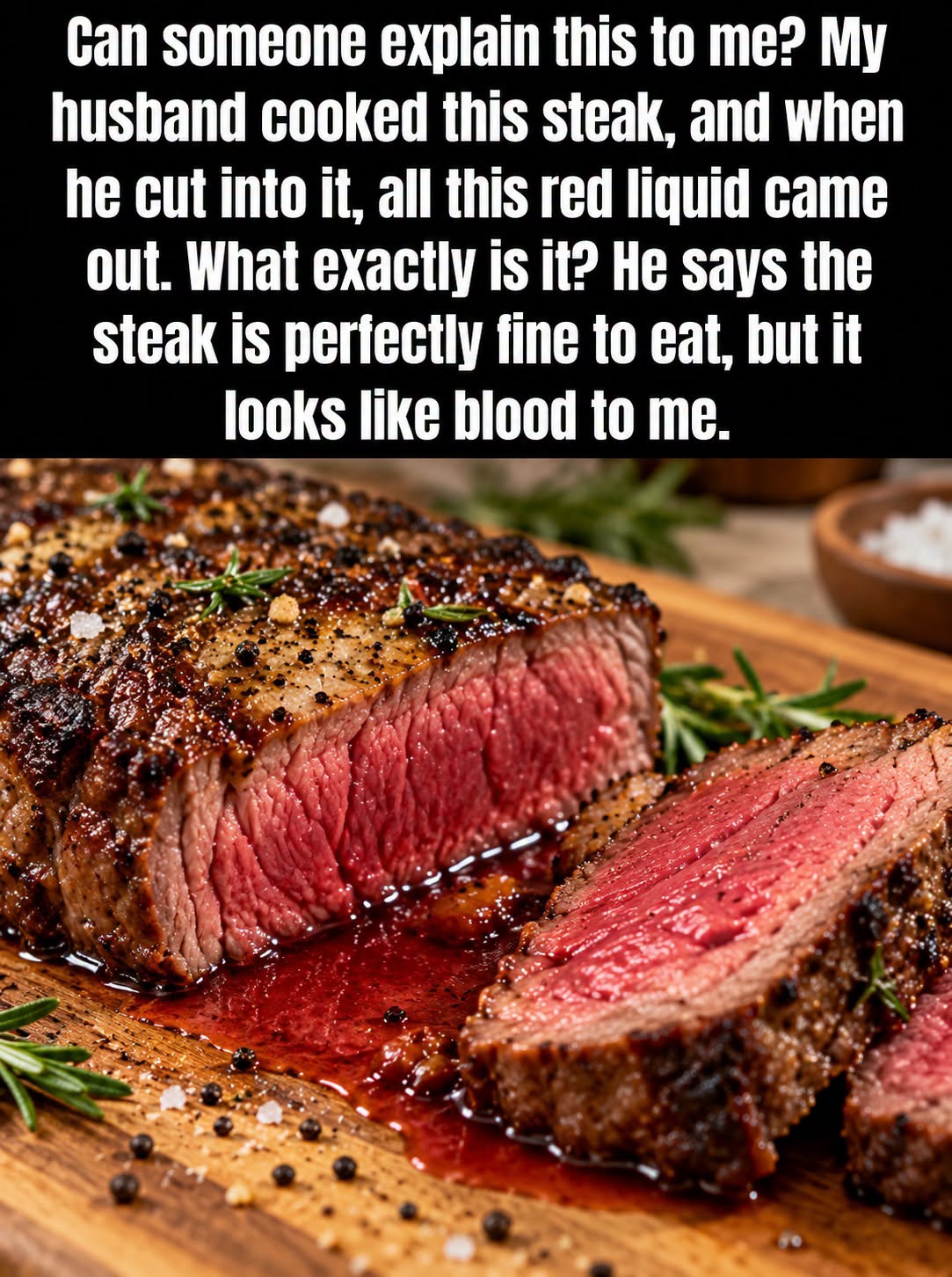
Does Meat Color Tell You If It Is Fresh?
Red, Purple, and Brown Can All Occur Naturally
Many shoppers judge beef almost entirely by color.
Bright cherry-red beef looks fresh, while brown meat can trigger immediate concern. However, color alone cannot provide a complete safety assessment.
USDA explains that beef color changes according to myoglobin chemistry and oxygen exposure. Beef that has not received much oxygen can appear purplish-red. After exposure to air, it commonly becomes bright red as oxymyoglobin forms. Later, oxidation can create brown metmyoglobin.
Therefore, a color change does not automatically mean spoilage.
Packaging also matters.
Vacuum-packaged beef may appear darker or purplish because little oxygen surrounds it. Once opened and exposed to air, its surface may become noticeably brighter.
Ground beef presents another interesting example. Its exterior can look bright red because it receives oxygen, while portions deeper inside can appear grayish or brownish because less oxygen reaches them.
Again, that difference does not automatically establish spoilage.
Still, color remains one useful observation when considered alongside other signs.
A major unexpected change across the entire product deserves attention, especially when it appears with an unpleasant odor or abnormal texture.
Use More Than Color to Judge Meat
Instead of asking only whether beef looks red enough, consider its overall condition.
USDA advises that color changes alone do not necessarily indicate spoilage. However, spoiled meat can develop an off odor and feel sticky, tacky, or slimy.
Storage conditions matter too.
Fresh raw beef should remain properly refrigerated. USDA recommends keeping refrigerators at 40°F (4.4°C) or below. Ground beef generally has a shorter refrigerated storage period than whole cuts such as steaks and roasts.
Therefore, think about the full picture.
Check whether the package remained cold. Consider how long you have stored it. Look for damage or leakage. Notice unusual odors after opening, and pay attention to sticky or slimy deterioration.
Never taste questionable raw meat to determine whether it is safe.
Most importantly, do not assume that bright red meat must be safe simply because the color looks attractive. Likewise, do not assume that every brown section means immediate spoilage.
Color tells you something about myoglobin chemistry. It does not function as a complete food-safety test.
How to Handle Red Meat and Package Juices Safely
Avoid Spreading Raw Meat Juices
Even though the red liquid in a meat package is not simply blood, you should still treat it like any other raw meat juice.
Raw beef can carry harmful microorganisms. Consequently, package fluids can contaminate hands, counters, cutting boards, refrigerator shelves, utensils, and ready-to-eat foods.
Keep raw meat separated from foods that will not receive further cooking.
Additionally, wash your hands with soap and water after handling raw meat or its packaging. Clean surfaces and utensils that contacted raw meat juices before using them for other foods.
Do not wash raw beef under the faucet.
USDA advises against washing raw meat because splashing water can spread bacteria around sinks, countertops, and nearby surfaces.
Instead, remove the meat directly from its packaging and prepare it appropriately.
If excess surface moisture interferes with browning, you can carefully pat the meat dry with a disposable paper towel. Immediately discard the towel afterward and wash your hands.
Also, place packaged raw meat on a tray or in a container inside the refrigerator. This simple precaution catches leaks before they reach other foods.
Cook Meat to a Safe Internal Temperature
Appearance does not reliably indicate whether meat has reached a safe internal temperature.
A food thermometer provides a much better measurement.
USDA recommends cooking whole cuts of beef, pork, veal, and lamb to a minimum internal temperature of 145°F (62.8°C) followed by at least a three-minute rest. Ground meats should reach 160°F (71.1°C).
That difference matters because grinding distributes microorganisms that may have been present on the surface throughout the meat.
Insert the thermometer into the thickest portion and avoid relying only on exterior color.
Furthermore, cooked beef can sometimes remain pink even after reaching an appropriate temperature. Conversely, meat can turn brown before reaching a safe temperature.
So, just as raw color cannot provide a complete freshness test, cooked color cannot provide a reliable doneness test.
The same principle applies to the mysterious red liquid in the original package.
Its dramatic appearance can distract from the factors that matter more: refrigeration, storage time, cross-contamination prevention, and appropriate cooking temperatures.
Once you understand that distinction, handling packaged red meat becomes much less confusing.
