How to Tell Green Muscle Disease From Spoilage
Look at Location, Smell, and Texture
When you discover green meat in chicken, start by looking at the entire piece rather than focusing only on color.
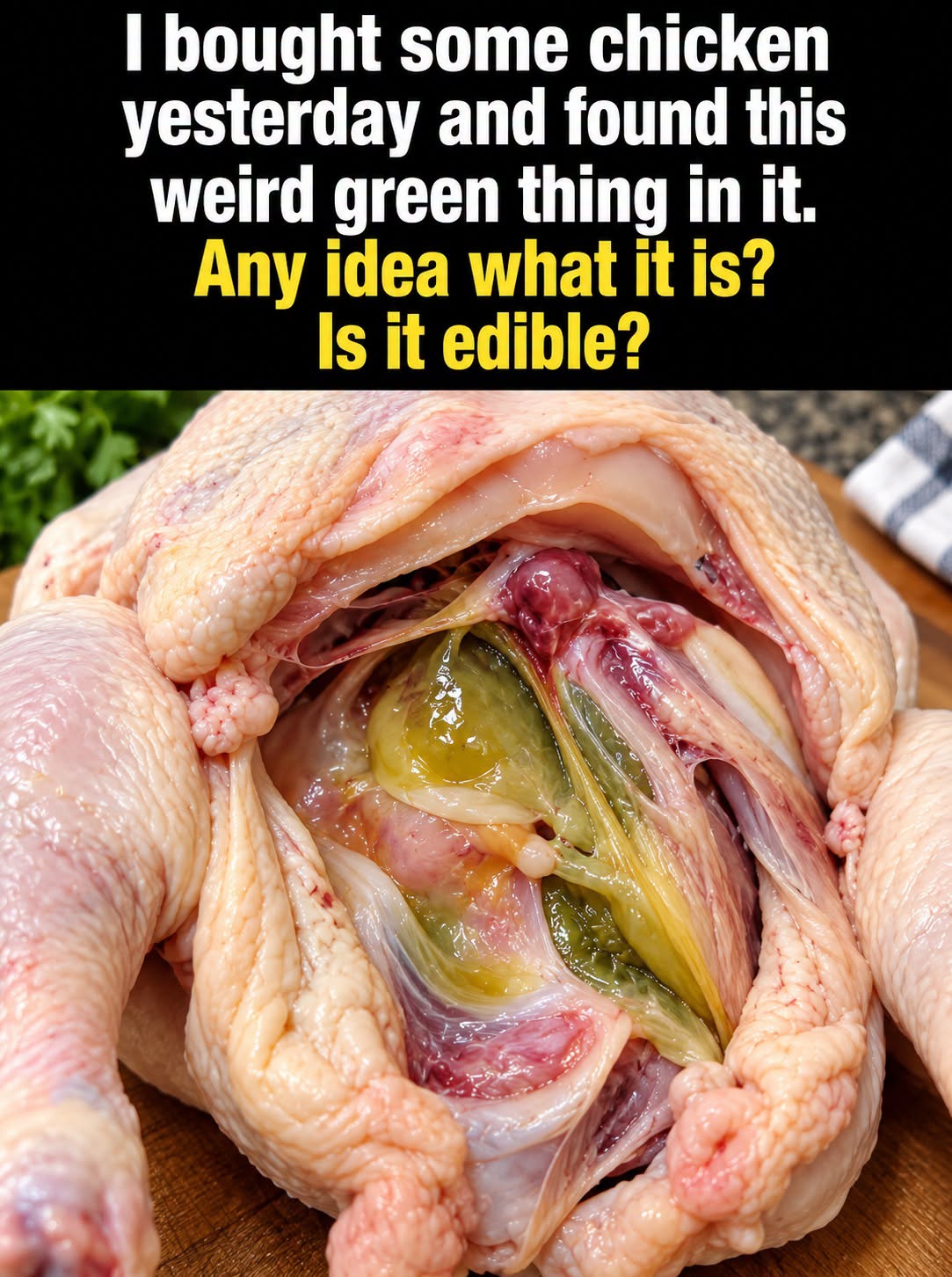
Deep pectoral myopathy usually appears in the deep breast or tender muscle. The affected portion may have a defined green or gray-green appearance and a firm or fibrous texture. The surrounding chicken may otherwise appear normal.
Spoilage can look different.
USDA advises consumers to pay attention to changes beyond color. Meat or poultry that develops an off odor, sticky or tacky surface, or slimy texture should not be used.
Therefore, ask several practical questions. Was the chicken kept continuously refrigerated? Is it still within a reasonable storage period? Does the package appear damaged or unusually swollen? Does the chicken smell unpleasant? Does the surface feel slimy or sticky?
A strange color alone cannot answer every safety question.
Normal raw poultry can also vary naturally in color. USDA notes that raw poultry can range from bluish-white to yellow because factors such as breed, age, exercise, and diet influence its appearance
So avoid judging chicken by a single expected shade of pink.
What to Do When You Find a Green Patch
Finding an obvious green section inside chicken can understandably ruin your appetite even when the appearance resembles deep pectoral myopathy.
If you suspect green muscle disease but feel uncertain, you do not need to diagnose the chicken yourself. Keep the packaging, photograph the affected meat, and contact the retailer or producer. Many stores will replace or refund an unusual product.
You can also discard it when uncertainty makes you uncomfortable.
However, avoid automatically concluding that a localized green breast muscle proves the entire chicken decomposed. USDA specifically recognizes ischemic myopathy, or “green breast,” and states that the condition itself does not present a consumer food-safety hazard.
At the same time, treat clear spoilage signs seriously. Do not use chicken with an offensive odor, slime, or sticky deterioration.
Finally, remember that cooking temperature remains essential for poultry that you do prepare. Use a food thermometer and verify 165°F rather than relying on visual appearance.
That simple habit removes much of the guesswork from preparing chicken safely.
Frequently Asked Questions
Why does my chicken breast have a green spot inside?
A localized green area deep inside a chicken breast can result from deep pectoral myopathy, also known as green muscle disease. Restricted blood flow damages the deep breast muscle, and pigment breakdown eventually creates the green appearance
Does green chicken always mean it has spoiled?
No. Color alone does not establish spoilage. USDA notes that meat and poultry can undergo normal color changes. However, an off odor, sticky or tacky surface, and slime can accompany spoilage and indicate that you should not use the meat.
Is green muscle disease dangerous to humans?
USDA states that none of the stages of ischemic myopathy, also called green breast, present a food-safety hazard to consumers. However, consumers should not assume that every unexplained green discoloration comes from this condition.
Can cooking spoiled chicken make it safe?
Do not use chicken that shows clear signs of spoilage. Proper cooking controls many microbial hazards in otherwise suitable raw poultry, but it should not serve as a way to rescue spoiled meat. For chicken you do prepare, USDA recommends a minimum internal temperature of 165°F.
Should I return green chicken to the store?
Returning it can be a practical choice, especially when you cannot confidently identify the discoloration. Keep the packaging and take a photo of the affected area. Although recognized green muscle disease itself does not present a food-safety hazard according to USDA, an unusually discolored retail product can still justify contacting the seller or producer.
Conclusion
Green meat in chicken certainly looks strange, but the color does not automatically mean the chicken has rotted.
A well-documented condition called deep pectoral myopathy, green muscle disease, or ischemic myopathy can create green tissue inside the breast. Restricted circulation deprives the deep pectoral muscle of oxygen. The tissue becomes damaged, and changes in muscle pigments eventually produce its characteristic green appearance. Ask USDA
Still, green muscle disease represents only one explanation for unusual-looking chicken. Pay attention to storage history, odor, texture, and the overall condition of the product. If the meat smells bad or feels sticky, tacky, or slimy, do not use it. Food Safety and Inspection Service
When preparing suitable chicken, use a food thermometer rather than judging doneness by color. Cook poultry to at least 165°F internally. Food Safety and Inspection Service
When the cause of unusual discoloration remains unclear, returning or discarding the chicken offers a straightforward cautious choice.
