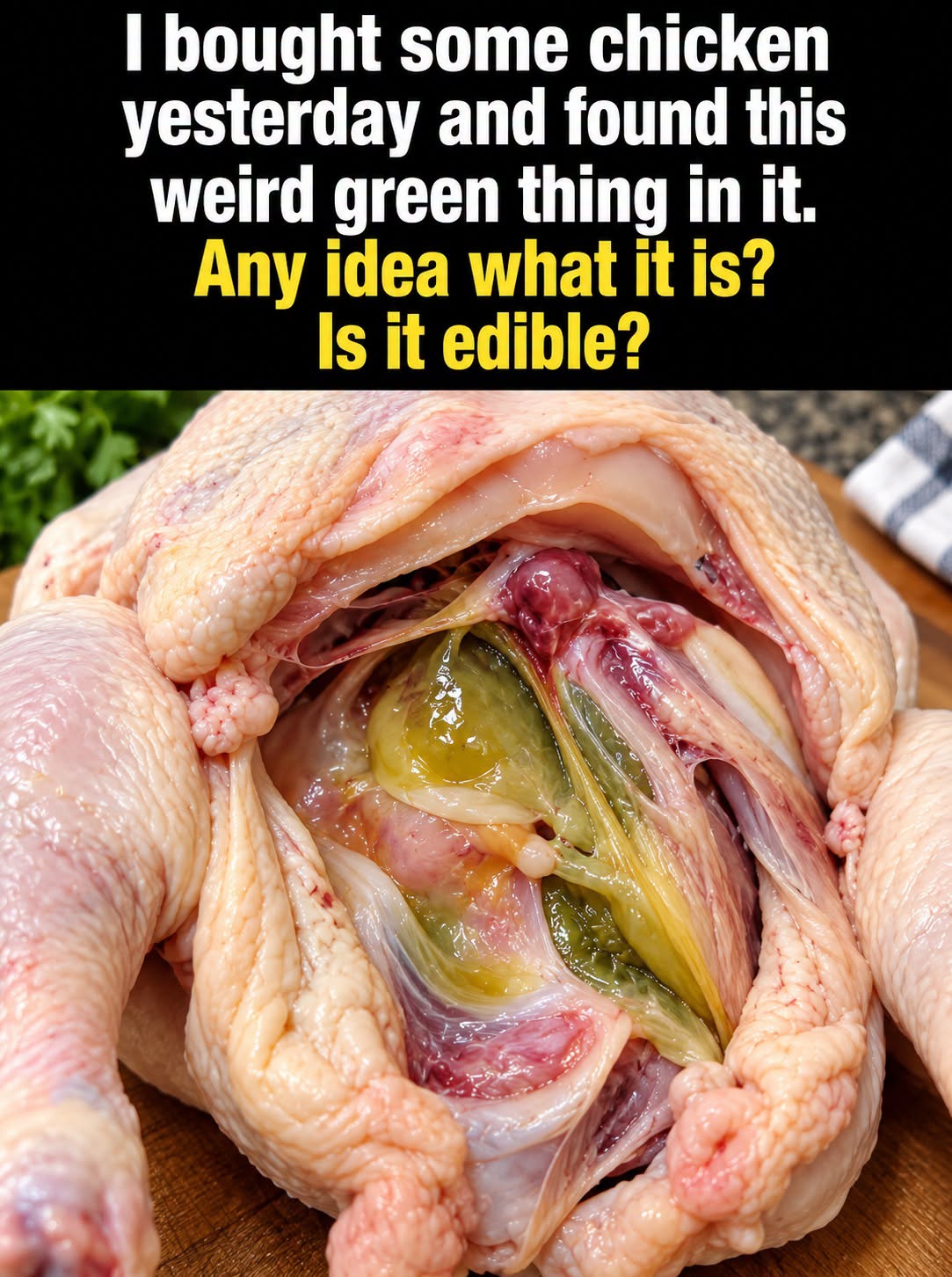
Why Larger Chickens Can Be Affected
Green muscle disease has particular relevance to meat-type poultry with substantial breast muscle development.
Modern broiler chickens have been selected for efficient growth and high breast-meat yield. Mississippi State University Extension notes that deep pectoral myopathy has become an increasingly recognized problem in meat-type broilers selected for high breast yield. It can also occur in free-range broilers.
Large pectoral muscles create challenging conditions for the deep tender because that muscle has limited room to expand during intense activity.
USDA similarly explains that in very large chickens and turkeys, the breast muscles can become exceptionally large relative to their blood supply. Heavy wing activity can then damage circulation to the deep pectoral muscle.
Still, green muscle disease should not be confused with an infectious poultry disease simply because the word “disease” appears in its common name.
It describes a degenerative muscle condition caused by interrupted blood flow. The visible green section represents damaged muscle tissue.
Furthermore, the problem may affect only part of one tender. In other cases, more of the deep muscle can become involved.
That explains why one chicken breast can look completely ordinary until you cut through a particular section.
Is Green Chicken Safe to Eat?
What Food-Safety Authorities Say
The answer depends on why the chicken is green.
When the discoloration genuinely comes from ischemic myopathy or green muscle disease, USDA states that none of its stages present a food-safety hazard to consumers.
However, that statement should not become a blanket rule that every piece of green chicken is safe.
Consumers usually cannot perform laboratory testing at home. Additionally, poultry can develop color changes for reasons unrelated to deep pectoral myopathy.
USDA explains that color change by itself does not necessarily indicate spoilage. Fresh meat and poultry naturally experience color changes during storage. However, spoiled meat or poultry may also develop an off odor and become sticky, tacky, or slimy. Poultry showing those characteristics should not be used.
Therefore, consider the complete condition of the product.
A localized green section buried inside otherwise normal-looking breast meat fits the recognized appearance of green muscle disease more closely than widespread deterioration accompanied by slime and an unpleasant smell. Nevertheless, when you cannot confidently determine why the meat looks abnormal, discarding it or returning it to the retailer provides the simplest cautious option.
Also, never taste questionable raw or cooked chicken to determine whether it has spoiled.
Safe Handling Still Matters
Green muscle disease does not eliminate the normal risks associated with raw poultry.
Raw chicken requires careful refrigeration, preparation, and cooking regardless of its appearance. Keep fresh chicken refrigerated at 40°F (4.4°C) or below. USDA lists a refrigerator storage time of one to two days for fresh whole chicken and fresh chicken parts.
Additionally, avoid spreading raw poultry juices around the kitchen. Keep raw chicken separated from foods that will not receive further cooking, and clean hands and food-contact surfaces thoroughly after handling it.
Most importantly, cook poultry based on temperature rather than color.
USDA recommends cooking poultry to a minimum internal temperature of 165°F (73.9°C), measured with a food thermometer. Check the thickest part of the breast and the innermost portions of the thigh and wing when cooking a whole bird.
Color cannot reliably tell you when chicken has reached a safe temperature.
Therefore, even perfectly normal-looking chicken needs proper cooking. Conversely, cooking cannot turn spoiled meat into suitable food. If chicken shows clear signs of spoilage before cooking, throw it away rather than attempting to make it safe through heat.
