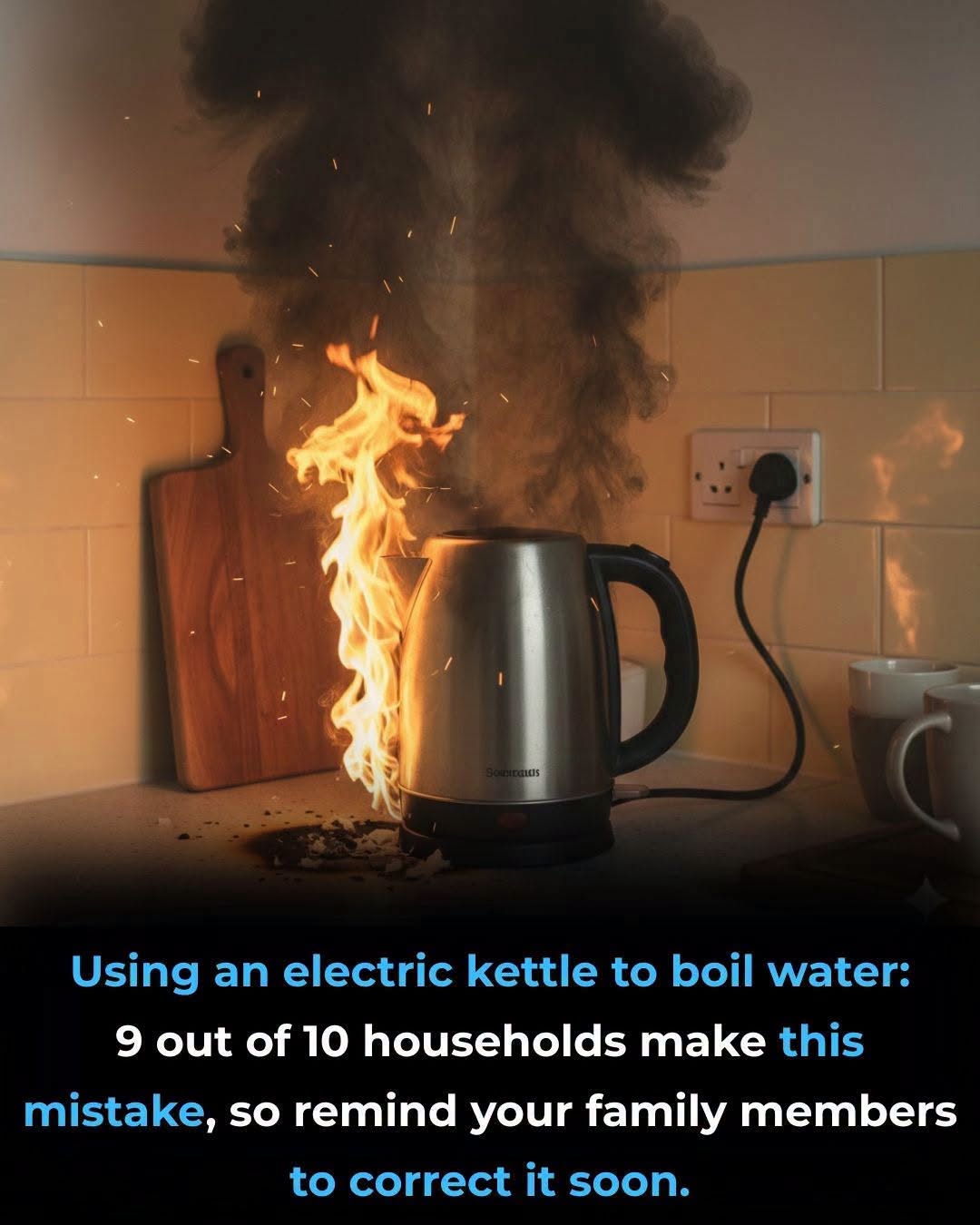
You should also use the kettle only for its intended purpose. Unless your model explicitly supports other uses, do not treat it like a saucepan for heating milk, soup, oil, or other foods.
Residue can become difficult to remove, while foaming liquids may behave very differently from water.
For a standard electric kettle, water remains the safest default.
Know When It Is Time to Stop Using the Kettle
Regular cleaning can extend useful service, but maintenance cannot repair every problem.
Inspect your kettle occasionally.
Look for cracks, leaks, damaged electrical connections, a loose handle, a faulty lid, or a deteriorating cord. Also, pay attention if the automatic shutoff stops working correctly.
An unusual electrical or burning smell deserves immediate attention as well.
If you notice a serious problem, unplug the kettle and stop using it until you can follow the manufacturer’s troubleshooting or service guidance.
Do not continue operating a leaking kettle simply because it still heats water.
Similarly, never bypass an automatic shutoff, thermostat, or other safety feature.
A basic electric kettle should make everyday tasks easier. Therefore, you should not have to tolerate obvious electrical or mechanical defects to keep an old appliance running.
Frequently Asked Questions
Should I leave water sitting in my electric kettle overnight?
A little leftover water does not automatically create an emergency. However, emptying unused water and adding fresh drinking water when needed can keep your routine simple. Regularly allowing the kettle to dry when appropriate may also make mineral buildup easier to monitor. Follow the manufacturer’s care instructions for your particular model.
How often should I descale an electric kettle?
The ideal schedule depends on water hardness and frequency of use. Hard water can produce visible deposits much faster. Therefore, inspect the kettle regularly and descale it according to the manufacturer’s directions whenever noticeable buildup develops.
Can I clean an electric kettle with vinegar?
Some kettle manufacturers recommend diluted vinegar for descaling, but instructions vary. Therefore, check your appliance manual first. If vinegar is permitted, use the recommended concentration and rinse the kettle thoroughly afterward.
Is it safe to boil water twice?
Reboiling ordinary potable water does not automatically make it dangerous. However, repeatedly boiling more water than you need wastes energy. Using an appropriate amount of fresh drinking water provides a simple everyday routine.
Why does my electric kettle have white flakes inside?
White or chalky flakes commonly come from mineral deposits associated with hard water. Regular descaling can remove this buildup. However, if you notice unusual material, corrosion, damaged interior coatings, or anything you cannot identify, stop using the kettle and check the manufacturer’s guidance.
Conclusion
Using an Electric Kettle to Boil Water should remain one of the easiest jobs in the kitchen. However, a few good habits can make everyday use safer, cleaner, and more efficient.
Avoid overfilling or underfilling the kettle. Never intentionally operate it empty. Moreover, boil only the water you need, remove limescale regularly, keep electrical components dry, and protect yourself from hot steam.
Most importantly, follow the instructions supplied with your particular kettle. Different designs have different limits and cleaning requirements, so the manufacturer’s guidance should take priority over viral household tricks.
You do not need an elaborate maintenance routine. Instead, check the water level before every boil, inspect the kettle periodically, and descale it when deposits appear.
Those small habits require very little effort. However, they can help keep an appliance you use every day clean, dependable, and pleasant to use.
