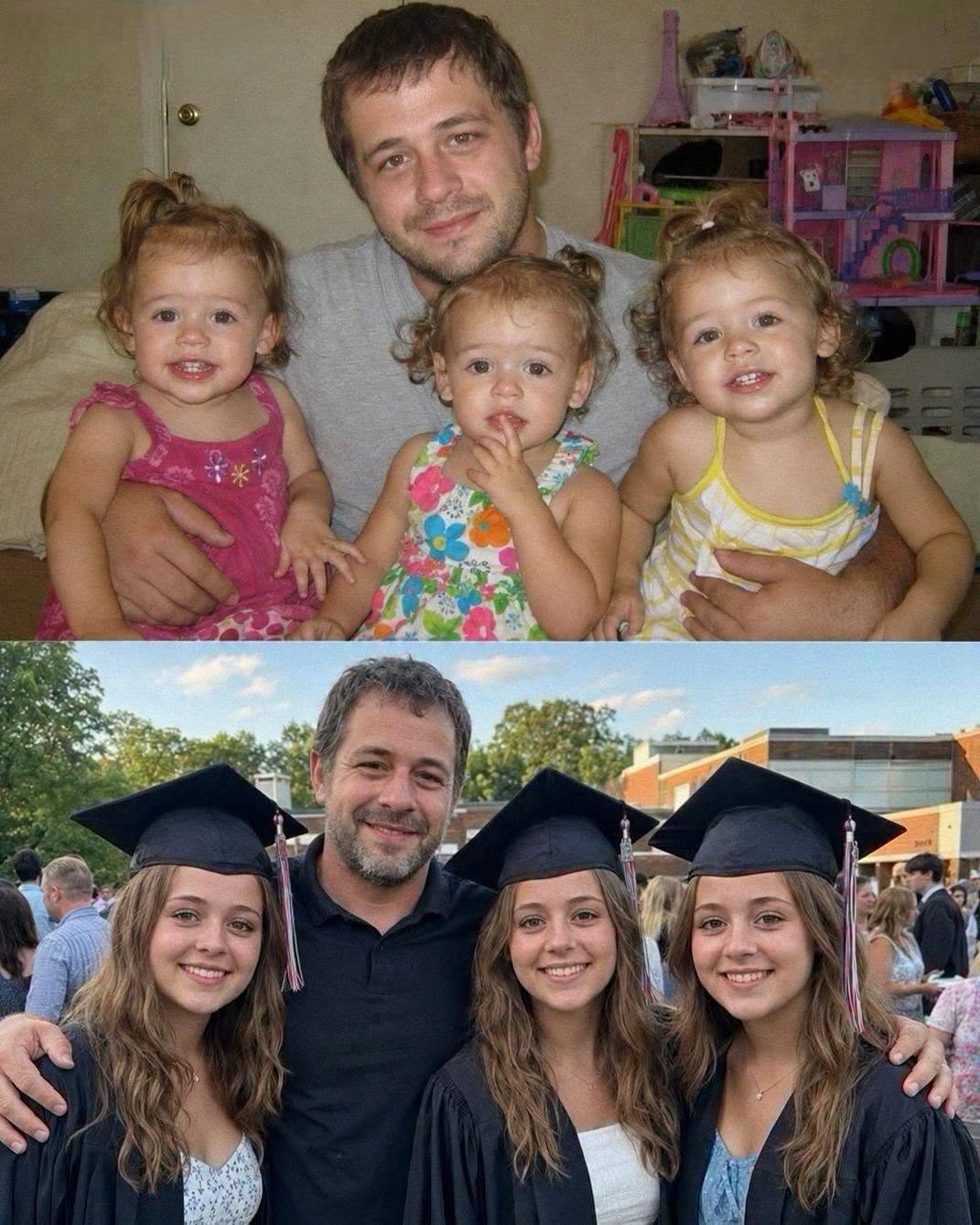
Graduation Celebration Cake turns a simple gathering into something memorable. This soft vanilla layer cake has a moist crumb, rich buttercream, and just enough sweetness to feel special without becoming heavy. Whether you serve it after a college graduation, family reunion, birthday, or another milestone, the cake works beautifully as a centerpiece because you can decorate it as simply or elaborately as you like.
Milestones often remind us how quickly life changes. Years of ordinary mornings, school runs, late-night conversations, small sacrifices, and celebrations can suddenly feel enormous when someone finally reaches a long-awaited goal. A homemade cake fits those occasions particularly well because it represents time, care, and attention. Moreover, this Graduation Celebration Cake uses familiar ingredients and straightforward techniques, so even a beginner can make it confidently.
A family I once knew celebrated three sisters graduating together after an uncle had raised them from infancy. He had spent years putting their needs ahead of his own, from school supplies to college applications. At their graduation gathering, they surprised him with photographs documenting their childhood and a heartfelt letter thanking him for always staying. Although the ceremony honored their achievements, the gathering also celebrated the family they had built together. A homemade vanilla cake sat in the middle of the table while everyone shared memories. Since then, I have associated simple celebration cakes with milestones that honor both achievement and the people who helped make it possible.
Building a Soft and Flavorful Graduation Celebration Cake
Choosing Ingredients That Create the Best Texture
A good Graduation Celebration Cake starts with ordinary baking ingredients used in the right proportions. All-purpose flour gives the layers enough structure to stack neatly, while baking powder provides lift. Meanwhile, a small amount of salt balances the sweetness and strengthens the vanilla flavor.
Butter brings richness, but oil also plays an important role. Because vegetable oil remains liquid at room temperature, it helps the cake stay moist even after refrigeration. Therefore, combining butter and oil gives you the best of both worlds: buttery flavor and a tender crumb.
Granulated sugar does more than sweeten the batter. As you cream it with softened butter, the sugar creates tiny air pockets that help the cake rise. Consequently, you should beat the butter and sugar until the mixture looks noticeably lighter and fluffier.
Eggs provide structure, moisture, and richness. Use room-temperature eggs whenever possible because they blend into the batter more evenly. Likewise, room-temperature milk prevents the butter mixture from suddenly becoming cold and curdled.
Vanilla extract gives Graduation Celebration Cake its classic flavor. Since vanilla remains the main flavoring ingredient, choose a good-quality pure vanilla extract whenever you have it.
Finally, sour cream adds moisture and a slight tang that keeps the sweetness balanced. Greek yogurt also works as a substitute if necessary. However, use full-fat yogurt for the richest texture.
Preparing Your Pans and Batter Correctly
Before you begin mixing, heat your oven to 350°F. Then grease two 9-inch round cake pans and line the bottoms with parchment paper. Although greasing alone can work, parchment makes removing tender cake layers much easier.
Next, whisk the flour, baking powder, and salt together. Mixing the dry ingredients first distributes the leavening evenly, which helps both cake layers rise at the same rate.
In a separate large bowl, beat softened butter and sugar for about three minutes. The mixture should look pale and airy. Afterward, add the vegetable oil and continue mixing until everything becomes smooth.
Add the eggs one at a time. Because each egg needs time to combine with the butter mixture, avoid adding all of them at once. Then mix in the vanilla extract and sour cream.
Now add the dry ingredients and milk in alternating additions. Start with about one-third of the flour mixture, followed by half the milk. Continue alternating until you finish with the flour.
See also Easy French Toast Cups – A Simple Breakfast Treat Everyone Loves
Most importantly, stop mixing as soon as the batter becomes smooth. Overmixing develops too much gluten, which can make Graduation Celebration Cake dense rather than tender.
Divide the batter evenly between the prepared pans. If you have a kitchen scale, weigh the filled pans so the layers bake evenly. Otherwise, simply estimate carefully with a spatula.
Bake for about 28 to 32 minutes. The cakes are ready when the centers spring back lightly and a toothpick comes out with only a few moist crumbs.
Baking and Cooling Graduation Celebration Cake Successfully
Getting Even, Moist Cake Layers
Place both cake pans on the center oven rack. Whenever possible, leave a little space between them so hot air can circulate evenly.
Avoid opening the oven during the first 20 minutes. Every time you open the door, heat escapes quickly. As a result, the center of a partially baked cake can sink.
Begin checking the layers around 28 minutes. Because ovens vary, one kitchen may need 28 minutes while another needs 32 or slightly longer. Rather than relying only on time, look for several signs of doneness.
First, the top should look set rather than wet or shiny. Second, the center should spring back when you touch it gently. Finally, insert a toothpick near the center. A few soft crumbs are perfect; wet batter means the cake needs additional baking.
Once the Graduation Celebration Cake layers finish baking, place the pans on a cooling rack for about 10 minutes. This short resting period allows the crumb to firm slightly.
Then run a thin knife around each edge before turning the cakes onto the rack. Peel away the parchment and let the layers cool completely.
Never frost warm cake layers. Warm cake softens buttercream, so the frosting can slide, melt, or soak into the cake. Therefore, give the layers at least an hour to cool.
For easier decorating, you can also wrap the cooled layers and refrigerate them for 30 to 60 minutes. Chilled cake produces fewer crumbs and feels sturdier during assembly.
Making Smooth Vanilla Buttercream
While the cakes cool, prepare a classic vanilla buttercream. Start by beating softened unsalted butter for about three minutes. This first step creates a lighter texture before you add sugar.
Next, add powdered sugar gradually. If you pour all of it into the bowl at once, you will likely create a cloud of sugar around your kitchen. Instead, mix one cup at a time on low speed.
After the sugar becomes incorporated, add vanilla extract and a pinch of salt. Salt may seem unusual in frosting, but it keeps buttercream from tasting overly sweet.
Add heavy cream one tablespoon at a time until the frosting reaches a spreadable consistency. Then beat the buttercream for another two to three minutes on medium-high speed.
The finished frosting should look smooth, fluffy, and easy to spread. If it feels stiff, add another teaspoon of cream. Conversely, if it becomes too soft, add a small amount of powdered sugar.
For Graduation Celebration Cake decorations, reserve some buttercream for piping borders or decorative swirls. You can also tint portions of the frosting with food coloring to match school colors.
However, simple decorating often looks especially elegant. A smooth white cake with piped borders, sprinkles, or fresh berries can look polished without requiring advanced skills.
Assembling and Decorating Graduation Celebration Cake
Creating a Stable Layered Cake
Once the cake layers have completely cooled, inspect their tops. If they have small domes, use a serrated knife to level them carefully. Flat layers make Graduation Celebration Cake easier to stack.
Place the first cake layer on a serving plate or cake board. Then spread about one cup of buttercream across the top.
