Serving, Storing, and Troubleshooting Your Cake
Classic Vanilla Butter Cake with Buttermilk Sauce already has plenty of flavor, so it does not require frosting. In fact, heavy frosting can hide the delicate vanilla and buttermilk flavors that make this dessert special.
Serving Ideas and Storage Tips
Serve the cake on its own for a simple dessert. Alternatively, add fresh strawberries, blueberries, raspberries, or sliced peaches. Their fresh acidity provides a pleasant contrast to the rich cake.
A spoonful of lightly whipped cream also works beautifully. Likewise, a small scoop of vanilla ice cream turns a warm slice into an especially indulgent dessert.
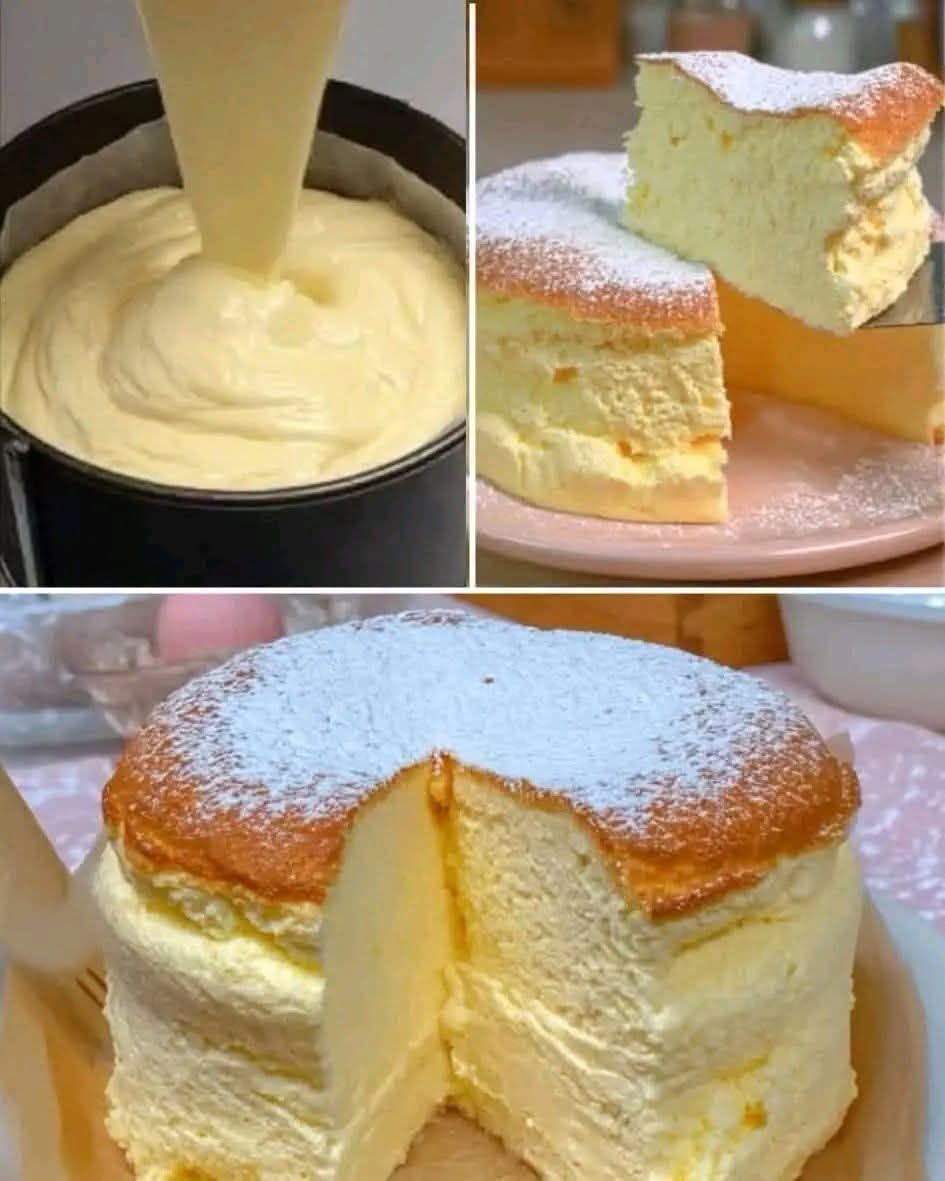
For a simple presentation, dust completely cooled slices with a small amount of powdered sugar. However, wait until serving because powdered sugar can dissolve into the moist surface.
Classic Vanilla Butter Cake with Buttermilk Sauce works particularly well for potlucks, family dinners, holidays, birthdays, and casual gatherings. Since you bake and serve it from the same pan, transportation stays simple.
Store leftovers in an airtight container in the refrigerator for up to four days. Although butter cakes can sometimes dry out under refrigeration, the soaked sauce helps this one retain moisture.
Before serving refrigerated cake, let a slice stand at room temperature for about 15 minutes. Alternatively, warm it gently in the microwave for several seconds.
You can also freeze individual slices. Wrap each cooled slice tightly, place the portions in a freezer-safe container, and freeze them for up to two months. Then thaw them overnight in the refrigerator.
Common Problems and Easy Solutions
If your cake turns out dense, you may have added too much flour or overmixed the batter. Therefore, measure flour carefully and stop mixing as soon as the ingredients combine.
If the center sinks, check that the cake has baked completely before removing it from the oven. Opening the oven door too early can also cause a delicate center to collapse.
A dry cake usually results from overbaking. Since every oven behaves differently, check the cake several minutes before the estimated baking time ends.
If your sauce foams aggressively, do not panic. The reaction between buttermilk and baking soda naturally creates bubbles. However, using a larger saucepan prevents the foam from spilling over.
If the sauce does not absorb well, the cake may have cooled too much before you poured it. For the best result, add warm sauce while the cake remains warm.
Finally, avoid making the holes too large. You want enough openings for the sauce to penetrate without breaking the cake apart.
With those simple precautions, Classic Vanilla Butter Cake with Buttermilk Sauce delivers a soft crumb, buttery flavor, and moist finish consistently.
Frequently Asked Questions
Can I make Classic Vanilla Butter Cake with Buttermilk Sauce ahead of time?
Yes. In fact, making the cake several hours ahead can improve its texture because the sauce gets additional time to settle into the crumb. Prepare the cake as directed, add the warm sauce, and let everything cool. Then cover the pan and refrigerate it. Before serving, bring individual slices closer to room temperature or warm them gently.
What can I use if I do not have buttermilk?
You can make a quick substitute. Add 1 tablespoon of lemon juice or white vinegar to a measuring cup, and then add enough whole milk to reach 1 cup. Let the mixture stand for about five minutes before using it. For the sauce, prepare a smaller quantity using the same approximate ratio. However, cultured buttermilk provides the most consistent tang and texture.
Why does the buttermilk sauce foam?
The baking soda reacts with the acid in the buttermilk. Consequently, the reaction produces bubbles and makes the mixture rise in the saucepan. This reaction is normal. Because the foam can increase quickly, use a saucepan that looks larger than you think you need.
How do I know when the cake has finished baking?
Check the center with a toothpick around the 35-minute mark. The toothpick should come out clean or with only a few moist crumbs. Additionally, the center should spring back when you touch it gently. Avoid relying on color alone because the surface can turn golden before the center finishes baking.
Can I turn this recipe into a Bundt cake?
Yes, although the baking time will change. Grease and flour the Bundt pan thoroughly, then fill it with the prepared batter. Begin checking for doneness after about 45 minutes. Depending on the pan and oven, the cake may need 50 to 60 minutes. After baking, let it cool briefly before carefully turning it out. You can then poke small holes into the cake and gradually spoon warm sauce over the surface.
Conclusion
Classic Vanilla Butter Cake with Buttermilk Sauce proves that a memorable homemade dessert does not require elaborate decorations or unusual ingredients. A properly creamed butter cake creates a soft, delicate crumb, while vanilla gives every bite a warm and familiar flavor.
Then the buttermilk sauce changes everything. Its combination of butter, sugar, tangy buttermilk, and vanilla seeps into the warm cake and creates an exceptionally moist texture. Moreover, the sauce eliminates the need for complicated frosting.
For the best results, use room-temperature ingredients, cream the butter and sugar thoroughly, measure the flour carefully, and avoid overmixing. Most importantly, pour the warm sauce over the cake while it remains warm.
Whether you serve it for Sunday dinner, bring it to a potluck, or make it simply because you want an old-fashioned homemade dessert, Classic Vanilla Butter Cake with Buttermilk Sauce delivers comforting flavor in every slice.
