- Pumpkin Spice Mocha Oatmeal Cake
 Fall Spice Chicken Enchilada Soup
 Spiced Cake with Cream Cheese Frosting
 Mango Muffins
 Air Fryer Cod Recipe: Crispy, Flaky, and Perfect Every Time 🐟✨
 Easy Cream Puffs That Turn Any Moment Into a Celebration
FAMOUS RED LOBSTER SHRIMP RECIPE
- Crispy Air Fryer Cod That’s Golden, Flaky, and Irresistible
- Loaded Potato Soup That’s Creamy, Cozy, and Completely Satisfying
Best Easy Sheet Pan Scored Potatoes Recipe for Crispy Perfection
Throw Raw Russet Potato Slices Into the Slow Cooker and Watch Dinner Disappear
Old Fashioned Pancakes Recipe: Fluffy, Golden, and Comforting

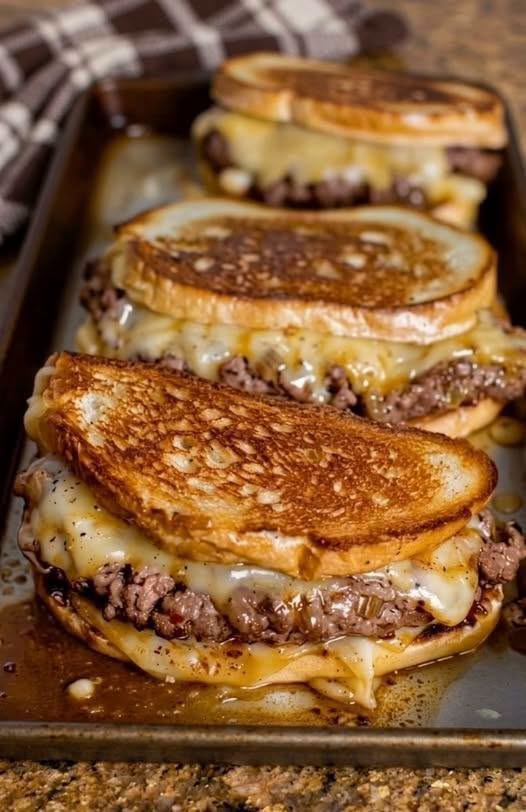
Classic Patty Melt Recipe: Crispy, Cheesy Diner-Style Comfort Food
August 24, 2026 by Anna Keith Leave a Comment
Why This Classic Patty Melt Recipe Works
The Best Ingredients for a Balanced Patty Melt
A good Classic Patty Melt Recipe does not require a long ingredient list. However, choosing the right ingredients makes a noticeable difference.
Start with ground beef that contains enough fat to stay juicy. An 80/20 blend works especially well because it browns beautifully while remaining tender. Leaner beef can work, but it may taste drier after searing.
Rye bread gives the sandwich its traditional character. Its slightly tangy, earthy flavor balances the richness of the beef and cheese. Seeded rye adds even more flavor, while light rye offers a milder taste.
Swiss cheese remains the classic choice because it melts smoothly and adds a mild nutty flavor. However, provolone, cheddar, or pepper Jack also work when you want a variation.
Onions bring sweetness and moisture. Yellow onions caramelize particularly well, so they pair perfectly with savory beef. Because they shrink significantly as they cook, use more than you think you need.
Butter creates the crisp outer crust. Spread it thinly and evenly across the bread so it browns without becoming greasy.
A little salt, black pepper, and Worcestershire sauce season the beef. Meanwhile, Dijon mustard can add brightness if you enjoy a sharper sandwich.
Because each ingredient stays simple, the Classic Patty Melt Recipe depends on balance rather than complexity. Rich beef, sweet onion, nutty cheese, and crisp bread come together in every bite.
Why Thin Patties and Slow Onions Matter
The onions and beef need very different cooking methods, which is why timing matters.
Start with the onions because they require patience. Melt butter in a skillet over medium-low heat, then add thinly sliced onions and a small pinch of salt.
Cook them slowly for about 20 to 25 minutes, stirring regularly. At first, they soften and release moisture. Then they gradually turn golden and sweet.
Avoid high heat because it can burn the edges before the onions soften properly. Instead, steady heat develops deeper flavor.
Meanwhile, shape the ground beef into thin oval patties that roughly match the shape of the rye bread. Thin patties work better than thick burger-style patties because the finished sandwich needs to stay easy to bite.
They also cook quickly and develop more browned surface.
Season the patties shortly before cooking. Then sear them in a hot skillet for a few minutes per side.
Because the patties stay thin, they can reach a safe internal temperature without becoming excessively thick or dry.
Once the beef and onions are ready, assembly moves quickly. Therefore, you can prepare the sandwich efficiently even though the onions take longer.
This combination of slow onions and fast-seared beef gives the Classic Patty Melt Recipe its signature contrast: soft sweetness beside crisp, savory meat.
How to Make a Classic Patty Melt Recipe
Cook the Onions and Beef Patties
Begin by slicing 2 medium yellow onions thinly.
Heat 1 tablespoon butter and 1 tablespoon olive oil in a large skillet over medium-low heat. Add the onions and a small pinch of salt.
Cook for about 20 to 25 minutes, stirring every few minutes. If the onions begin sticking, reduce the heat slightly and add a teaspoon of water.
Once they become soft, deeply golden, and sweet, transfer them to a plate.
Next, divide 1 pound of ground beef into 4 equal portions. Shape each portion into a thin oval patty slightly larger than a slice of rye bread because the meat will shrink during cooking.
Season both sides with 1 teaspoon salt and 1/2 teaspoon black pepper. Then brush or sprinkle the patties with 1 tablespoon Worcestershire sauce.
Heat the same skillet over medium-high heat.
Add the patties and cook for about 3 to 4 minutes on the first side. Flip and cook for another 2 to 3 minutes, or until they reach your preferred doneness and a safe internal temperature.
Because the patties cook quickly, watch them closely.
Transfer them to a plate and allow them to rest briefly.
At this point, wipe excess grease from the skillet if necessary. Leave a thin film for flavor, but avoid enough grease to soak the bread.
Now you are ready to assemble.
For each sandwich, use 2 slices rye bread, 2 slices Swiss cheese, 1 beef patty, and a generous spoonful of caramelized onions.
This layered structure helps the cheese melt around the beef while also helping hold the sandwich together.
Assemble and Grill Until Crisp and Melty
Lay 8 slices of rye bread on a clean work surface.
Spread 1 tablespoon Dijon mustard across 4 slices if you want a little tang. Then place 1 slice Swiss cheese on each of those slices.
Top each with a cooked beef patty.
Next, divide the caramelized onions evenly among the four sandwiches. Spread them over the beef rather than piling them only in the center.
Add another slice of Swiss cheese over the onions. Then top each sandwich with a second slice of rye bread.
Spread softened butter over the outside surfaces of the bread. Use about 3 tablespoons total for all four sandwiches.
Heat a large skillet or griddle over medium-low to medium heat.
Place the assembled sandwiches in the skillet and cook for about 3 to 4 minutes on the first side. Press very lightly with a spatula.
Once the bread turns deep golden brown, flip carefully.
Cook the second side for another 3 to 4 minutes.
The goal is to brown the bread slowly enough for the cheese to melt completely. Therefore, avoid using very high heat. High heat may burn the rye before the center becomes hot.
If the bread browns too quickly, reduce the heat and cover the skillet loosely for a minute. The trapped warmth helps melt the cheese.
Once both sides look crisp and the cheese has melted, transfer the sandwiches to a cutting board.
Allow them to rest for 1 to 2 minutes before slicing. This short pause helps keep the filling from sliding out.
Serve the Classic Patty Melt Recipe immediately while the bread remains crisp and the cheese stays molten.
Tips and Variations for the Best Classic Patty Melt Recipe
How to Get Crisp Bread and Juicy Beef
The best Classic Patty Melt Recipe depends on contrast. You want crisp bread outside, melted cheese inside, and beef that stays juicy.
First, avoid pressing the beef too firmly when shaping the patties. Overworking ground beef creates a dense texture. Instead, shape it gently and stop once it holds together.
Second, make the patties slightly wider than the bread. Beef shrinks as it cooks, so this helps the finished patty cover more of the sandwich.
Third, preheat the skillet before adding the beef. A properly heated surface encourages browning.
For the bread, softened butter works better than melted butter because you can spread it evenly without soaking the rye.
Also, use medium or medium-low heat when grilling the assembled sandwich. The bread needs time to crisp while the cheese melts.
If your skillet runs hot, reduce the heat after placing the sandwich inside.
Cheese placement also matters. Putting cheese both under and over the patty helps secure the onions and creates a creamy layer throughout the sandwich.
Finally, serve the patty melt soon after cooking. The bread gradually softens as steam escapes from the filling, so the first few minutes provide the best texture.
For an extra-crispy finish, use a heavy skillet and give the bread full contact with the cooking surface.
However, press gently rather than flattening the sandwich aggressively. Too much pressure can squeeze out the beef juices and melted cheese.
Easy Cheese, Bread, and Topping Variations
Once you master the Classic Patty Melt Recipe, you can adjust it easily.
For cheese, Swiss remains traditional, but cheddar gives the sandwich a sharper taste. Provolone adds mild creaminess, while pepper Jack brings a little heat.
You can also combine cheeses. One slice of Swiss and one slice of cheddar creates a rich, balanced melt.
For bread, rye provides the classic flavor. However, sourdough offers a crisp crust and tangy bite, while Texas toast creates a thicker, softer sandwich.
If you like mushrooms, sauté sliced mushrooms after the onions and add them to the sandwich. Their savory flavor works beautifully with beef and Swiss.
For extra tang, spread Dijon mustard on the inside of the bread. You can also use a small amount of mayonnaise, Russian-style dressing, or horseradish sauce.
If you prefer a spicier Classic Patty Melt Recipe, add sliced pickled jalapeños or use pepper Jack cheese.
For a sweeter variation, add a small spoonful of onion jam along with the caramelized onions.
You can also make smaller patty melts using cocktail rye bread for party appetizers. In that case, shape mini beef patties and reduce the cooking time.
Whatever variation you choose, avoid adding too many wet toppings. Excess moisture can soften the bread and make the sandwich difficult to handle.
A good patty melt should still keep the beef, onions, cheese, and crisp bread at the center of the experience.
